Click to set custom HTML
Piracy and Plagiarism
|
A definition to begin with...
According to Merriam-Webster, Piracy is defined as;
Legal Issues

If the negative impact on the economy and fellow workers isn't enough reason to stay legal, keep in mind that some companies in the entertainment and computer software industries have prosecuted individual offenders in civil courts and sought monetary damages. The U.S. government can impose fines or imprisonment, or both. So the next time you're tempted, ask yourself, "is it worth it?" Resolve to purchase a legal copy instead.
One credible study by the Institute for Policy Innovation pegs the annual harm at $12.5 billion dollars in losses to the U.S. economy as well as more than 70,000 lost jobs and $2 billion in lost wages to American workers (Source). "One copy won't hurt..."
For Teachers
Students are being immersed in technology as their academic career soars. It is important as educators to help students become aware of the legal consequences of copyright infringement and piracy. We as educators need to create an environment which promotes the moral and ethical ways of using the internet and its voluntary information.
Tips:
For ParentsThis issue is very important for parents to address with their children. Our students spend a majority of their computer and internet time at home. They are able to access many websites which may be blocked from the school system. Please speak to your children about the harms of piracy and the many ways in which punishment of piracy is implemented. Please use the link provided below for further information.
Tips:
For StudentsTips to Avoid Piracy:
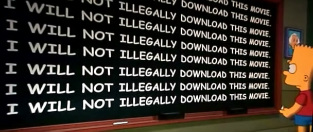
|
A definition to begin with...
According to Merriam-Webster, Plagiarism is defined as;
Legal Issues...

One of the most serious issues is violating the U.S. copyright as well as the intellectual property laws which if caught in violation of these results in penalties and jail time.
While not a legal issue, something it keep in mind is would you want someone to steal your hard work and use it as their own? An example of Professional Plagiarism
For Teachers
We are educators! We need to first educate our students on this important issue! A great resource for this is the Vaughan Memorial Library tutorial on plagiarism which is the first link provided below.
Another thing we can do to help this problem is use software to detect it once it does happen. A tool such as Turn it in is widely used and easily accessible for those teacher who wish to use it. This tool aids you in searching the internet for the things you may have missed in the paper or assignment by highlighting similarities. The program will also aid by taking to you the website that contains the similarities. For Parents
For younger students make sure you are watching them on the internet. Also when they have big assignments proof it, you know your child's abilities you don't have to be a teacher to catch plagiarism. You can keep in contact with the teacher as well to stay informed of assignments that may need an extra eye. For additional information Parents can visit the link below about plagiarism.
For Students
Students, make sure you are educated on the topic and how to cite your sources. Use accredited sites to help you with this. A great site is Purdue's online writing lab which gives students examples of MLA and other formats for citing sources. Another great tip is to cite as you go along in your paper that way there are no "accidents" when writing.
|
